The history of the Montparnasse brasseries, from the Roaring Twenties to today
How the Vavin crossroads became the heart of world art life, and what remains of that spirit further south, in the 14th.
In the early 20th century, artists left Montmartre for Montparnasse, drawn by cheap rents and studios. Around the Vavin crossroads, Le Dôme (1898), La Rotonde (1911), Le Select (1923) and La Coupole (1927) became their living rooms. After the war, the Montparnasse tower changed the area, but the open-all-day brasserie spirit lives on in the 14th, from Daguerre to Alésia.
Around 1900, Parisian bohemia moved from Montmartre to the Left Bank, to the area still called "Mount Parnassus".
Lacking heated studios, artists turned the brasserie into their living room, office and meeting place.
From Montmartre to Montparnasse: why artists crossed Paris
Key dates
- 1902La Ruche opens
- 1904Académie de la Grande Chaumière founded
- 1910Nord-Sud metro line
- 1914Montparnasse overtakes Montmartre
Montmartre had become expensive and touristy; Montparnasse still offered cheap glass-roofed studios.
La Ruche (1902) and the Académie de la Grande Chaumière (1904) gave newcomers from all over the world a place to work.
New boulevards and the Nord-Sud metro (1910) linked the area to the rest of Paris.
And the cafés offered warmth, light and company.
The Vavin crossroads, epicentre of the Roaring Twenties
At the junction of boulevard du Montparnasse and boulevard Raspail, four venues faced each other.
Le Dôme and its American regulars
The oldest of the four, later the meeting point of Americans in Paris.
La Rotonde and Victor Libion
A patron known for letting painters linger and sometimes giving them credit.
Le Select, open all night
Presented as the first Montparnasse venue to stay open all night.
La Coupole, Art Deco and painted pillars
Opened on 20 December 1927 with a vast Art Deco hall and artist-decorated pillars.
Together they worked like a village square on a world scale.
Who went to these brasseries?
Only well-documented facts are kept here.
Pablo Picasso
Lived on the Left Bank from 1912 and frequented La Rotonde and Le Dôme.
Amedeo Modigliani
A La Rotonde regular who sketched customers; died in 1920.
Ernest Hemingway
Wrote at La Closerie des Lilas and described the area in A Moveable Feast.
Around them gathered hundreds of artists from all over the world.
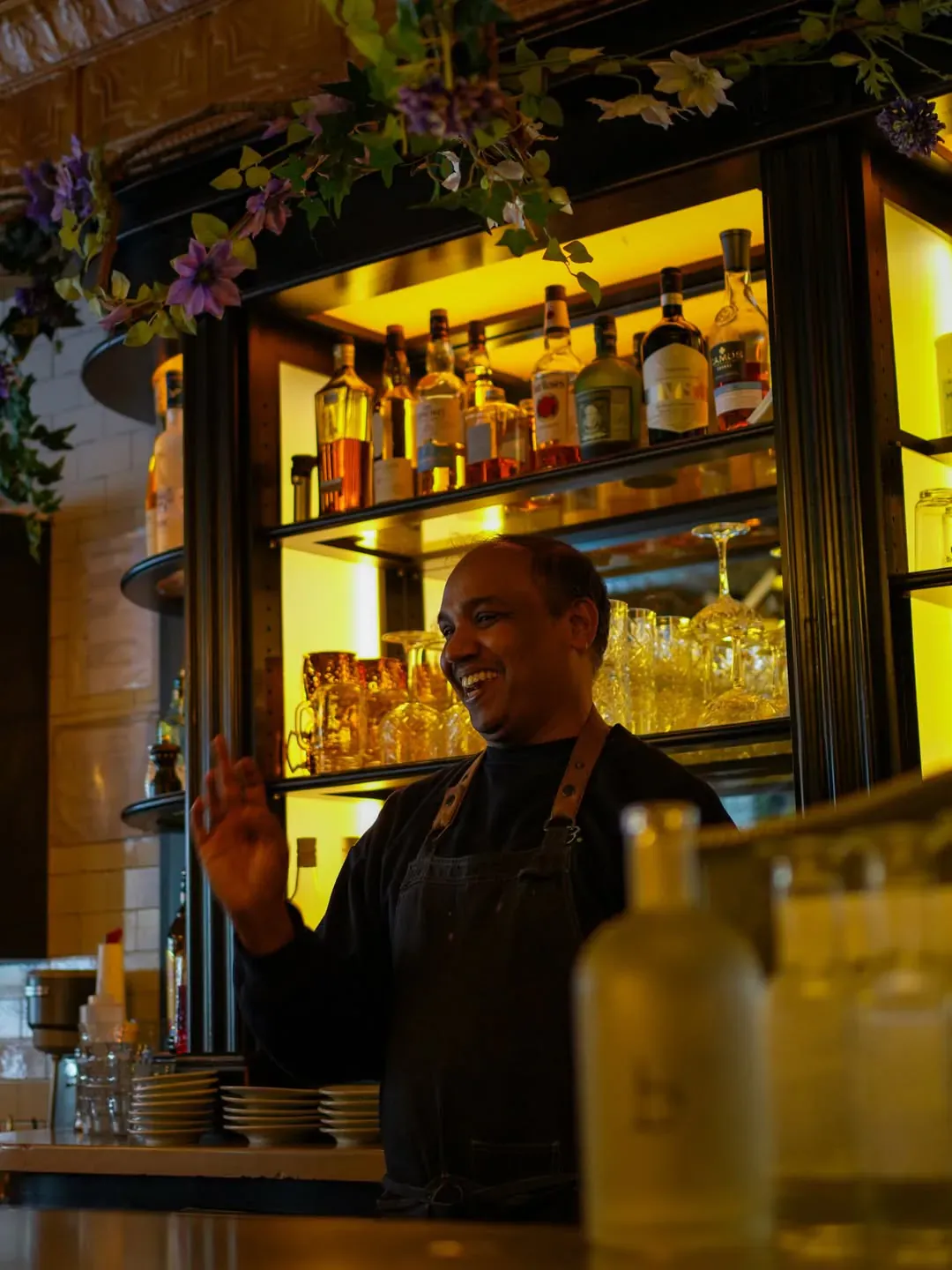
The social role of the brasserie: work, debate, meet
For artists without heated studios, the brasserie was a workplace and even a postal address.
It was also a place of debate and trade, open late and accessible to everyone.
This model still defines the Parisian brasserie today.
After the war: the tower, urban renewal and change
During the Occupation, intellectual life shifted towards Saint-Germain-des-Prés.
The Montparnasse tower, completed in 1973 (210 m), transformed the skyline.
The great brasseries survived and became places of memory.
Montparnasse tower built
Vavin becomes place Pablo-Picasso
What the Montparnasse spirit left to the 14th
Boulevard du Montparnasse separates the 6th from the 14th and 15th.
Rue Daguerre, Denfert-Rochereau and Alésia keep a real neighbourhood life.
Local brasseries carry on the promise of all-day service for everyone.
Le Bouquet d'Alésia, at 75 avenue du Général Leclerc, follows in that tradition.
To place the area’s venues today, see our page brasserie in Montparnasse.
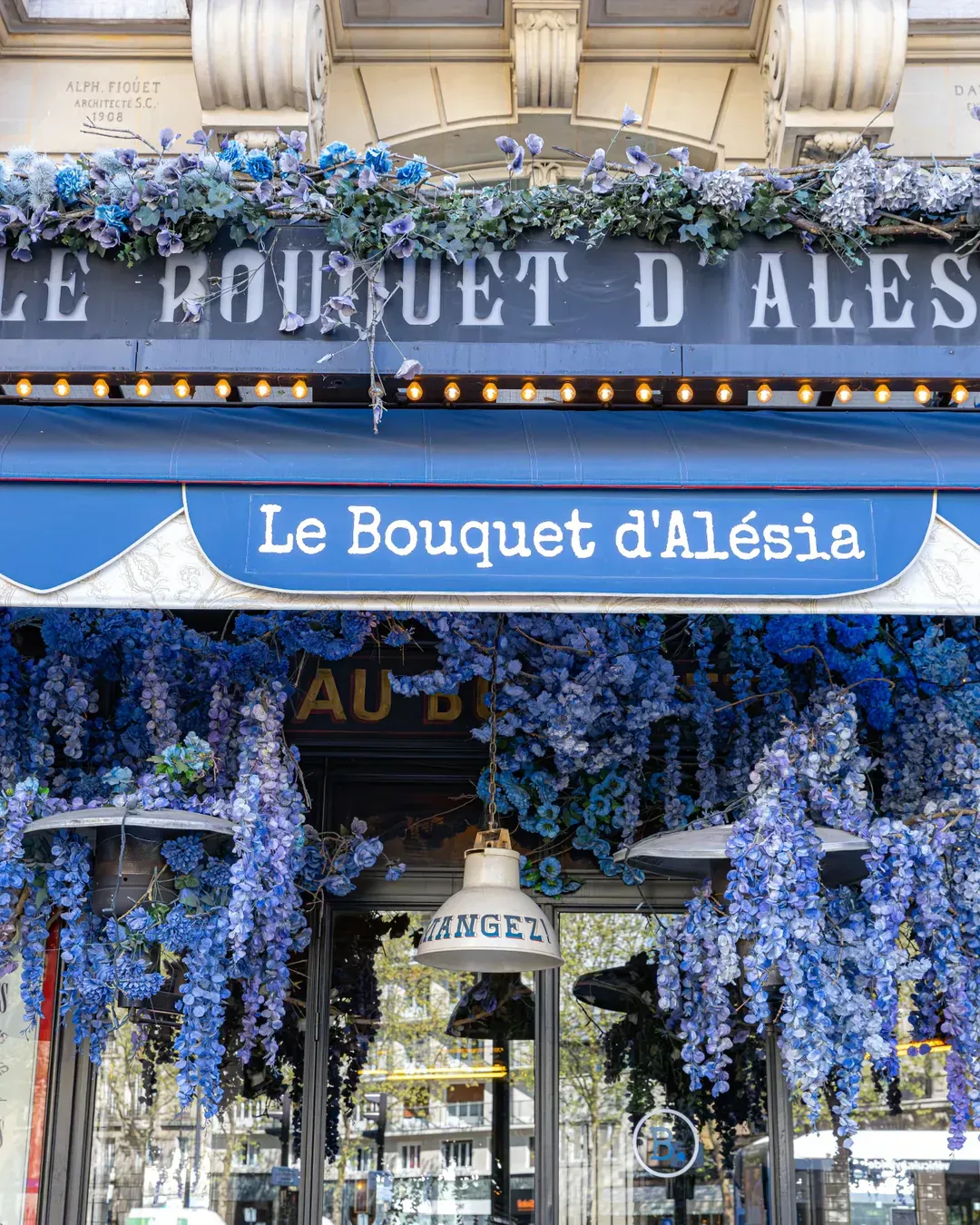
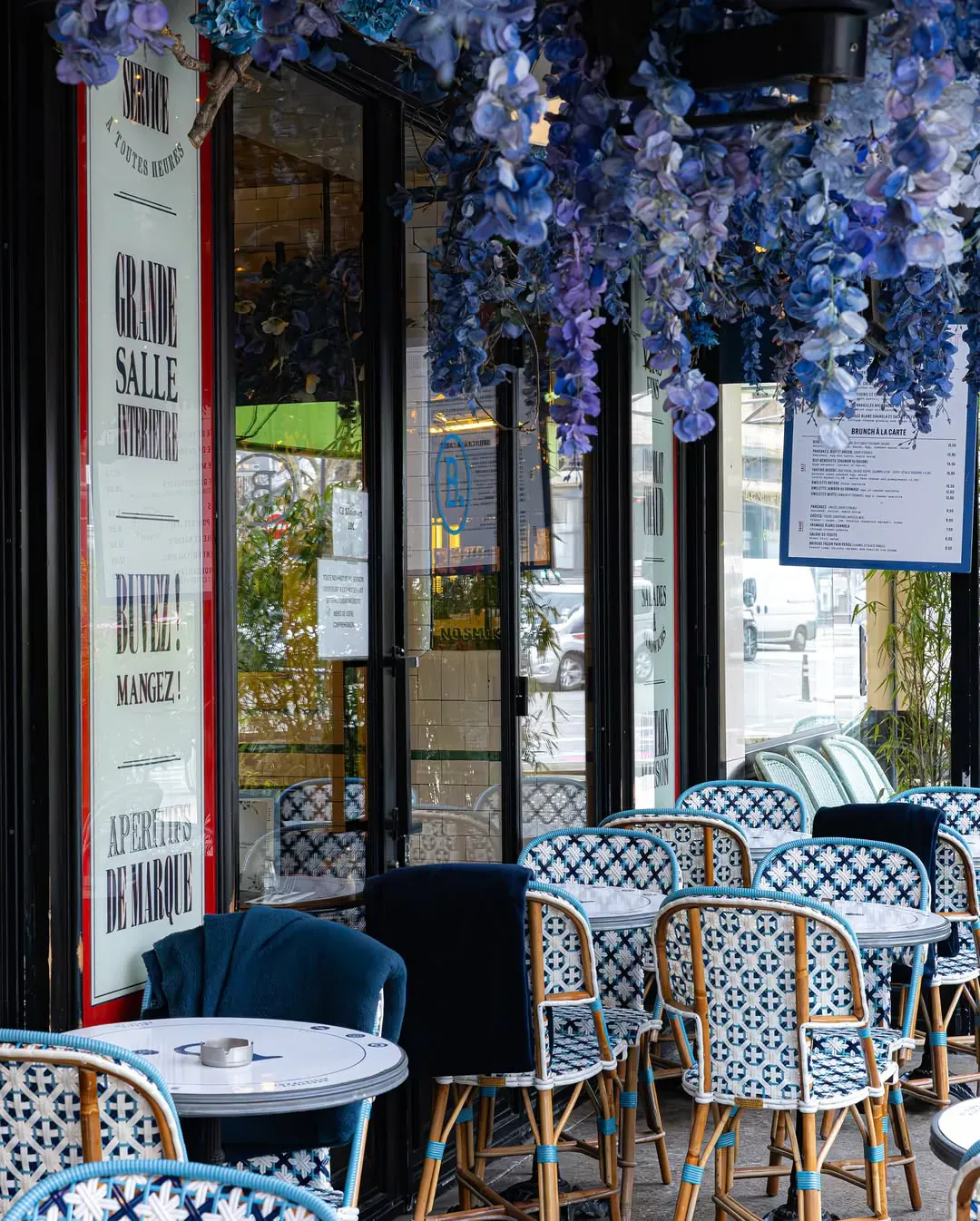
Walk: from the Vavin crossroads to Alésia
About 3 km, under an hour on foot, two to three hours with stops.
1. Vavin crossroads
Start at Rodin’s Balzac and the four brasseries.
2. Montparnasse cemetery
Visit the graves of Sartre and Beauvoir.
3. Daguerre to Alésia
Stroll down rue Daguerre, then on to Alésia for a break.
Tip: start late morning and finish with a late lunch at Alésia.
FAQ on the history of the Montparnasse brasseries
01What is the oldest brasserie in Montparnasse?
02Why did artists go to Montparnasse?
03Did Hemingway go to La Closerie des Lilas?
04Is Montparnasse in the 6th or the 14th?
05When did La Coupole open?
06Can you still feel the Montparnasse spirit today?
Going further
From history to the table: see our page brasserie montparnasse, a few minutes from Vavin, open all day 7/7.
Discover the brasserieRead and discover:
Book your table
Call us to book or place your takeaway order.